Cobalt Evenings Across Sussex Villages

Tonight we head into Sussex Blue Hour Villages, chasing that tender interval when the sky cools to deep sapphire and warm windowlight breathes life into cobbles, harbors, and ancient timber. Expect practical tips, real places, and heartfelt stories guiding you from pre-sunset planning to post-shoot editing, plus friendly encouragement to share your own twilight discoveries, subscribe for future journeys, and join the conversation about the quiet magic that lingers between fading day and arriving night.

Reading the Quiet Light

Understanding when the blue hour arrives in Sussex matters as much as where you stand. Latitude stretches winter twilights and shortens summer ones, while coastlines reflect precious glow over stone. Arrive early, breathe slowly, and watch how slate roofs, mist, and river bends respond. The most moving frames appear when you anticipate wind shifts, allow your eyes to adjust, and accept that patient minutes, not frantic dashes, shape photographs that feel like remembered lullabies rather than hurried notes.

Cobblestones, Castles, and Quiet Harbors
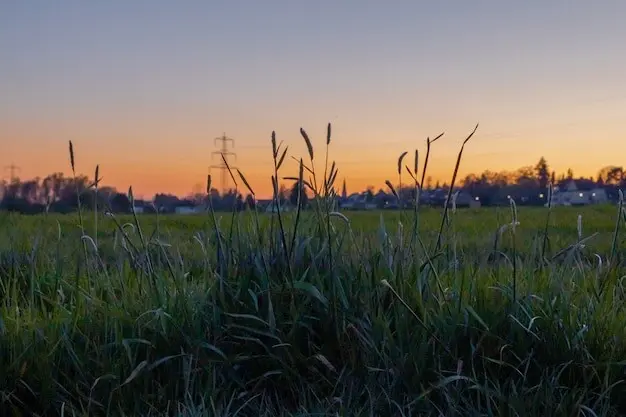
Sussex villages reward wanderers who balance historic textures with evening hush. Cobblestones echo footsteps beneath gentle lamp glow, rivers cradle reflections beneath watchful battlements, and tidal creeks polish the dusk into silver ribbons. Each place offers a different way to listen to color: lofty viewpoints for layered gradients, snug alleys for intimacy, and open quays for mirrored stories. Pick one corner and linger, then pivot carefully toward another. Sequences emerge from patience, weaving a narrative travelers will want to follow.
When the lamps flick on along Mermaid Street in Rye, slate-blue air settles over crooked beams and cobbles glistening from earlier drizzle. Wait for a passerby with a scarf’s playful flutter, or a distant doorway opening to reveal warmth. A slow shutter lets stones shimmer, while a low angle emphasizes texture. Pause between exposures to hear gulls and muffled conversation from a nearby inn, then nudge your composition slightly, discovering how a single step changes every curve and leading line.
Down by the River Arun, the castle’s silhouette finds its twin in evening water that gathers blue hour like velvet. Position yourself where a gentle bend aligns turrets, footpath lamps, and reeds. Use a tripod to lengthen exposure until ripples become brushstrokes, softening the scene without losing character. A cyclist crossing a bridge can sketch motion through your frame. Wait for that instant the sky’s gradient tightens, and press the shutter between breaths, letting stillness do the storytelling.
At Bosham, the tide recedes with quiet confidence, then tiptoes back, wrapping cottages and boats in reflective grace. Check the tide tables twice; roads sometimes glisten under shallow water, surprising hurried photographers. Seek puddles kissing curb stones, anchoring an inverted sky. When church bells mark the hour, time exposures to their fading resonance. Gloves help when wind arrives off the harbor. Share your image later and note how viewers lean closer, trying to hear the water’s whisper preserved in pixels.

Tools That Keep the Hush Steady

Blue hour rewards steadiness more than bravado. A dependable tripod, remote release, and lenses chosen for tight lanes or sweeping quays will spare you from chasing noise and blur. Pack light to move gracefully, yet bring essentials that protect your calm: microfiber cloths, spare batteries, and a pocket torch with a red mode. Choose reliability over novelty, rhythm over rush. With the right kit, you can attend to sound, scent, and story, letting delicate light become your quiet collaborator.

Compositions Born of Water, Stone, and Distant Lamps
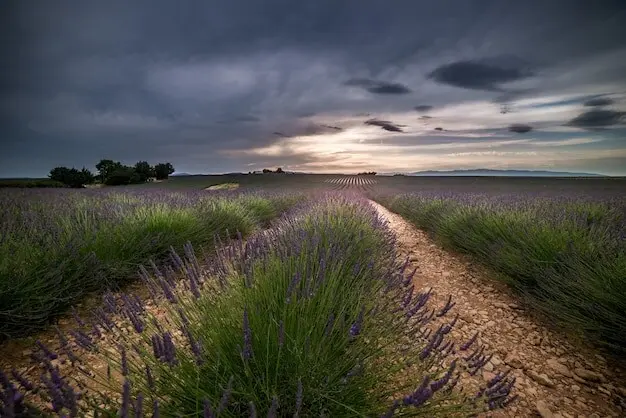
Composition in Sussex villages thrives on tactility and restraint. Lead with lines formed by gutters, rails, and chalky lanes. Balance cool sky with embered windows. Invite reflections to say the unsaid, then let an unexpected passerby stitch together eras. Work edges carefully; trimming distraction multiplies meaning. Revisit corners as lights brighten, because relationships change minute by minute. Choose one anchor—a lamppost, boat, or gable—and allow the rest to orbit in patient harmony until your frame finally exhales.

Guiding the Eye Down Lanes and Past Eaves
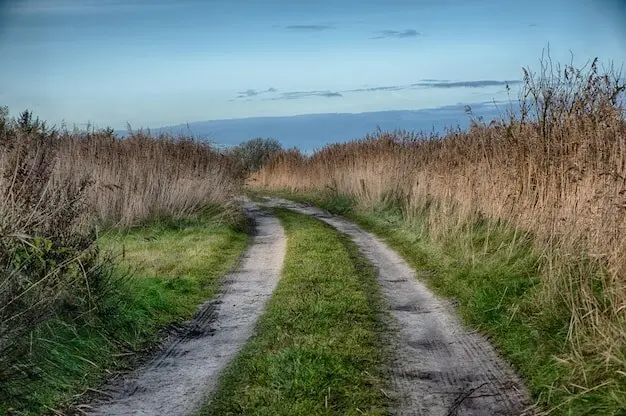
Seek diagonals born of curbs and roofs, placing them to invite wandering without confusion. Step slightly into the road for a gentler S-curve, but remain safe and considerate. Frame with doorways or arching branches to concentrate attention. Let a distant steeple or pub sign act as destination. As blue deepens, lamps grow brighter, adjusting visual weight. Nudge your position until the scene reads like a sentence that begins confidently, pauses thoughtfully, and lands with a quiet, satisfying full stop.

Warm Windows Against a Cooling Sky

Blue hour’s secret handshake is contrast between exterior coolness and interior warmth. A bakery’s glow or pub hearth draws hearts into the frame, humanizing place without faces. Expose to protect those highlights, then compose so warm squares punctuate cool gradients like benevolent lanterns on a map. If someone pauses with a mug near glass, wait. The silhouette becomes punctuation, the steam a clause. Share your result and ask readers where the aroma is coming from; conversation extends the photograph.

Reflections in Puddles, Harbors, and Polished Stone

After rain, a tiny puddle can double a village’s story. Kneel low and let cobbles flip the sky, making ordinary stones feel celestial. On harbors, trace a clean vertical between subject and reflection, then allow ripples to edit distraction. Avoid footprints by moving gently. Tilt slightly until symmetry hums without turning stiff. Post later with a question inviting others to guess the viewpoint. Engagement rises when mystery remains, and viewers feel invited to step closer rather than merely observe.

Small Stories That Anchor the Light

A place becomes unforgettable when you carry away not just images, but a memory etched with warmth. Look for fleeting exchanges—laughter skipping down a lane, a cyclist’s bell, a dog shaking rain below a lantern. These details calibrate scale and time. Ask permission kindly when needed, and accept refusals with grace. Share anecdotes with our community afterward. Stories pull others in, encouraging replies, thoughtful tips, and friendships that ripple outward like the quiet water beneath a deepening sky.

Etiquette With Lamps, Lanes, and Late Hours

Keep gear tidy and legs tucked where pedestrians pass. Never block doorways or linger outside bedroom windows. Use a torch sparingly, angling it downward and shielding with a hand. If a resident greets you, smile and explain your project sincerely. Offer to share the final image. Thank street cleaners and delivery drivers who navigate tight corners. Quiet presence gains invitations rather than warnings, and your photographs inherit that goodwill. Encourage readers to exchange etiquette tips, building a culture of gentle night exploring.

Tides, Closures, and Unexpected Detours

Before setting out, check tides for quays and creeks, plus local council updates for closures. A flooded lane can become a mirror or a barrier, depending on timing and footwear. Identify safe high ground where reflections remain accessible. Keep an alternate village in mind if crowds gather after a festival or sports match. Treat detours as creative prompts rather than setbacks. In our comments, share recent changes or warnings so fellow photographers arrive prepared, encouraging a circle of generosity and safer adventures.

Shaping Color After the Shutter

Post-processing should honor the hush, not shout over it. Begin with gentle global moves, protecting windows and lamps from garish halos. Separate cool blues from quiet cyans, then let a thin veil of warmth kiss selected interiors. Lift shadows carefully so lanes remain night, not noon. Maintain texture in stone, wood, and water ripple. Finish with subtle vignettes guiding the eye. Share before-and-afters with settings explained, inviting questions, feedback, and subscriptions for deep dives into evolving approaches across changing seasons.

Color Grading That Respects Twilight

Start by anchoring white balance slightly cool, then nudge temperature and tint until blues read believable rather than theatrical. Use HSL to tease apart cobalt sky and teal reflections, preventing cartoonish overlap. A whisper of split toning, warming highlights and cooling shadows, keeps harmony. Protect skin tones behind windows by adding local adjustments. Step back often and ask, does this still feel like evening air? Encourage readers to share profiles or LUTs that cradle subtlety instead of overpowering delicate gradients.

Noise Control Without Smothering Texture

Blue hour invites longer exposures and low ISO, yet shadows can still whisper grain. Apply luminance noise reduction sparingly, preserving mortar and timber grain that tells the village’s story. Sharpen last, with masking that hugs edges rather than sweeping across sky. Consider stacking multiple frames for cleaner results, aligning carefully. When posting, include a one-paragraph note about your balance between cleanliness and character. Feedback from peers can refine your threshold, ensuring stones still feel touched by centuries, not plastic-wrapped.

Mirazavovelto
Privacy Overview

This website uses cookies so that we can provide you with the best user experience possible. Cookie information is stored in your browser and performs functions such as recognising you when you return to our website and helping our team to understand which sections of the website you find most interesting and useful.