Blue Hour Brilliance across Sussex
Join us for an evocative journey through illuminated landmarks of Sussex at blue hour—castles, piers, and windmills—when cobalt skies cradle warm lights and reflections feel like whispered stories. We’ll celebrate Arundel and Bodiam, Brighton and Eastbourne, Halnaker and Rottingdean, sharing practical techniques, heartfelt anecdotes, and routes that transform fleeting twilight minutes into unforgettable photographs and memories you will proudly revisit and share.

Cobalt Minutes: Mastering Timing and Light

Blue hour rewards those who prepare with intention. In Sussex, coastal weather turns swiftly, while hilltops clear unexpectedly, so scouting and flexible plans matter. Learn to track civil twilight, tune white balance to mixed LEDs and sodium lamps, anticipate tides beneath piers, and read clouds for reflective underlighting. With a practiced rhythm, your tripod meets stillness exactly as the sky deepens, and your exposures sing.

Forecasting Tides, Clouds, and That Last Glimmer

Stack several forecasts and compare wind direction, mid-level cloud cover, and swell height to predict surface texture and sky luminance. Low winds yield mirrorlike reflections; strong onshores carve ripples that scatter neon. Tide charts decide compositions under piers and at Bodiam’s moat edge. Arrive early, refine a plan B uphill, and watch the western horizon for subtle gradients that will soon ignite metal, brick, and water.

Exposure Values That Keep Highlights Honest

Bright bulbs and reflective water deceive meters during civil twilight. Protect highlights by metering for the brightest practical area near signage or lamps, then bracket one to two stops under and over for safety. Consider manual mode with histogram feedback, shooting RAW for generous latitude. Long exposures smooth waves and reveal pier geometry, while short bursts preserve ferris-wheel detail. Trust test frames, then commit as the sky reaches peak saturation.

Logistics, Access, and Moving Safely in Near-Dark

Pack a small torch with warm and cool settings, reflective strap, and spare batteries to keep footing sure on damp boards and uneven castle paths. Respect barriers, avoid cliff edges in wind, and research closing times at Arundel or Lewes. Tell someone your route, especially when hiking to Halnaker’s ridge. A lightweight layer wards chill breezes, and a simple snack grants patience while the color quietly blooms.

Castles Wearing Firelight

Sussex fortresses glow with layered stories after sunset, their floodlit stone revealing centuries of defense, pageantry, and restoration. Water moats mirror warmth against deepening cobalt, while town lights add a contemporary whisper. With thoughtful angles, careful reflections, and gentle respect for residents and staff, you can create images that honor history without theatrical excess. Patience helps, because the most graceful tones often appear just after your certainty begins wavering.

Arundel’s River Mirror and Golden Ramparts

From the Arun’s banks, the castle’s illuminated walls ripple into the slow current like liquid brass. Arrive before blue hour, scout low vantage points that avoid glare on foliage, and time long exposures between passing boats. A polarizer can tame surface sheen, though it eats precious light. Frame upward through riverside branches for a natural vignette, then invite conversation by asking local walkers about favorite viewpoints you might have overlooked.

Bodiam’s Moat, Mist, and Generous Angles

Bodiam rewards restraint: let the moat hold the warmth, leaving the castle subtly luminous rather than blown out. Walk the banks to find arcs where turrets balance. If thin mist drifts, extend shutter time to paint gentle softness while conserving edge detail. Respect posted access, keep noise minimal near closing, and capture a quiet, patient sequence from pale blue to ink. Later, blend frames carefully to maintain believable tonality.

Lewes Castle Above the Town’s Evening Pulse

Lewes offers textures of rooftops, shopfronts, and winding streets beneath the keep’s silhouette. Seek a vantage aligning amber windows with the structure’s lit stone, revealing dialogue between older fortification and living town. Mind narrow lanes and local privacy, choosing longer lenses for respectful distance. As the sky darkens, street lamps form leading beads through the scene, guiding eyes upward. A light drizzle, if present, intensifies color and deepens contrast beautifully.

Brighton Palace Pier: Glow, Motion, and Sea-Spray

Brighton is kinetic, so embrace motion. Use longer shutters to smooth water, while catching lively ride lights as painterly trails. Protect highlights around signage by slightly underexposing, planning to lift shadows in RAW. Side angles reveal rhythmic supports. Salt spray can fog filters; wipe gently and often. Chat with anglers, learn pier etiquette, and capture fleeting laughter that occasionally drifts into the background, adding an audible memory to your visual story.

Worthing Pier’s Art Deco Grace and LED Undersong

Worthing gifts calmer lines, where Art Deco curves settle into a measured tempo. Seek symmetry from the shore, then flip perspective beneath the structure if access and safety allow. LEDs can skew cool; counterbalance subtly in-camera or later. On low tide, gleaming sand doubles the lights for generous reflections. If a musician strums nearby, wait for a pause in foot traffic, matching your long exposure to the rhythm of the evening.

Eastbourne’s Victorian Lacework against Cobalt

Eastbourne wears intricate detailing that glows like filigree at dusk. Choose a telephoto vantage from the promenade to compress lamps into glittering chains, or widen for grand context where the horizon breathes. Bracket for ornate highlights, ensuring balustrades remain crisp, not featureless. When gulls arc through the scene, take a shorter exposure to preserve wing texture. Share your image with locals afterward; their memories can reveal angles you never considered.

Windmills Against a Deepening Sky

Windmills turn contemplative under blue hour, their sails poised like quills against velvet gradients. Some glow faintly from nearby towns, others silhouette nobly on downs and ridges. Walk softly, respect fields and paths, and let the wind write across grass as your shutter measures patience. With moonrise or Venus near the horizon, balance earthly heritage and celestial punctuation for photographs that feel timeless yet unmistakably anchored in Sussex landscapes and stories.

Halnaker’s Ridge, Tunnel Approach, and Quiet Horizons
The approach through the tree tunnel frames anticipation long before the mill crowns the ridge. Arrive early to navigate roots safely, then emerge where countryside opens wide to layered blue. If a sliver moon appears, hold a moderate focal length to keep scale honest. Avoid trampling crops, keep conversations hushed, and savor the hum of nearby roads fading. A gentle two-second delay calms vibrations as the sky finally reaches perfect intensity.

Rottingdean on Beacon Hill: City Glow, Country Calm

Rottingdean often inherits the city’s distant amber, which can add depth behind the darkened sails. Angle slightly off-axis to separate blades, then wait for lulls between gusts to reduce motion blur. If sheep graze nearby, give space and avoid startling them with bright torches. The crest provides sweeping views toward the sea, so consider a panoramic stitch before true night. Later, invite readers to compare color renditions and share gentle grading tips.

Technique Toolkit for Nightfall Glow

Balancing brilliance and nuance at blue hour means tuning every decision: tripod stance in gusty air, shutter that both caresses water and protects signage letters, color management across LEDs, tungsten, and sodium, and noise handling without sanding away delicate gradients. Choose reliable lenses, remote release, gentle bracketing, low ISO, and respect for reality, creating images that welcome curiosity rather than overwhelm viewers with suspiciously theatrical processing.

Long Exposures That Breathe, Not Blur
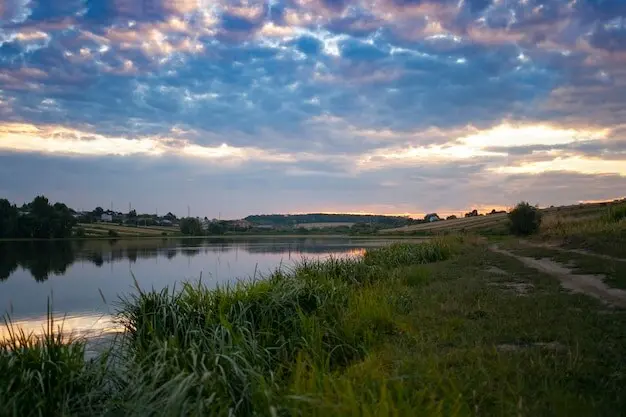
Begin between one and six seconds for water smoothing, then extend toward twenty or thirty when you desire silkier reflections beneath piers. Watch for highlight creep and compensate with a narrower aperture or neutral density. Enable long exposure noise reduction only if workflow permits waiting. Maintain focus discipline; check critical edges across castles and mill blades. A small sandbag or backpack weight steadies the tripod when the headland wind unexpectedly stiffens.

Color Confidence in Mixed Night Lighting

Blue hour invites competing temperatures. Set a custom Kelvin to keep the sky honest while preventing LEDs from turning toxic. Shoot RAW, profile lenses, and gently roll saturation, prioritizing believable transitions. In post, isolate lamps with selective tools, then preserve natural shadows in stonework. When in doubt, compare to on-location reference frames on a neutral phone screen. Let viewers’ eyes rest where story lives, not where color chaos steals attention.

A Narrative Arc from Shoreline Spark to Night’s Embrace

Begin with establishing context—waves dimming, gulls settling—then close in on glowing details, like bolts on pier struts or lichen catching stray amber on castle stones. Conclude with a contemplative wide frame balancing deep blue and scattered lights. Arrange photos chronologically, yet allow a surprise interlude that honors an unexpected reflection. Encourage comments about preferred sequencing and whether viewers felt the hush of the evening growing image by image.

Lessons Learned When Tide and Time Disagree

One night at Worthing, the tide rose faster than forecast, swallowing a carefully scouted foreground before peak color. The fix was humility and agility: switch to a higher promenade angle and wait two extra minutes for richer sky. Share setbacks openly; they help others prepare. Ask readers for their rescue stories, gather tips about local quirks, and invite newsletter signups for printable checklists that reduce next time’s surprises.
Mirazavovelto
Privacy Overview

This website uses cookies so that we can provide you with the best user experience possible. Cookie information is stored in your browser and performs functions such as recognising you when you return to our website and helping our team to understand which sections of the website you find most interesting and useful.