Chasing Sapphire Light across the South Downs

From the chalk ridgelines to the tidal inlets, we’re exploring the best blue hour vistas in the South Downs of Sussex, sharing precise timings, safe access tips, compositional ideas, and heartfelt stories that help you savor those cobalt minutes after sunset and before night.

Reading the Light over Chalk and Sea

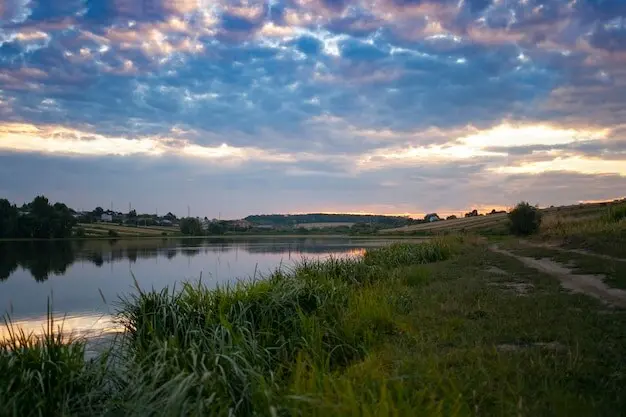
Blue hour here is a conversation between reflective chalk, moist maritime air, and a horizon that hums with afterglow. The cliffs and ridges hold pale light longer, while valleys steep gently into ink. Understanding these relationships helps you predict gradients, silhouettes, and reflective opportunities before the first stars appear.

Ridge Highlights: Viewpoints that Reward Patience

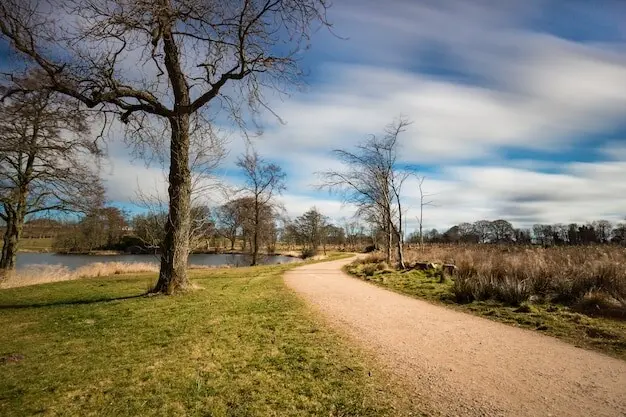
The South Downs Way strings together vantage points where sky and land braid beautifully. Short ascents yield generous horizons, and each curve of escarpment holds a different geometry for the fading light. Small shifts in footing can transform fences, gates, and ancient trackways into guiding lines through the evening.

Edge of England: Cliffs, Tides, and Lighthouses

Where chalk meets tide, reflections multiply and risks increase. The Seven Sisters, Birling Gap, and Beachy Head deliver drama that rewards careful timing. Tide tables, cliff safety, and route choices matter. Align the lighthouse or meanders thoughtfully, then let gentle wave motion smooth textures during deliberately unhurried exposures.

Rivers, Downs, and Quiet Villages at Dusk

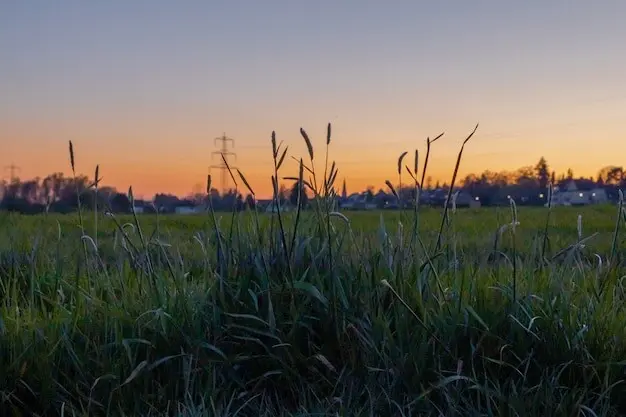
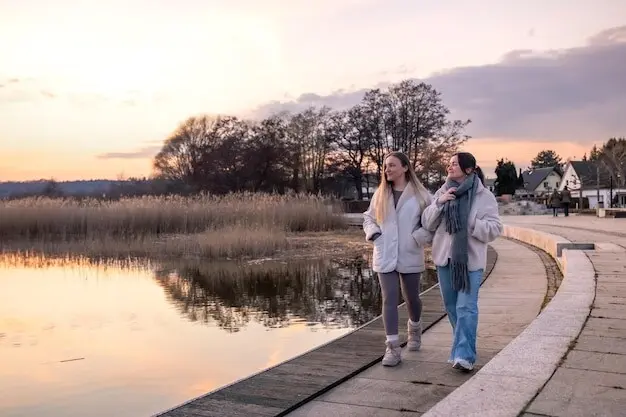
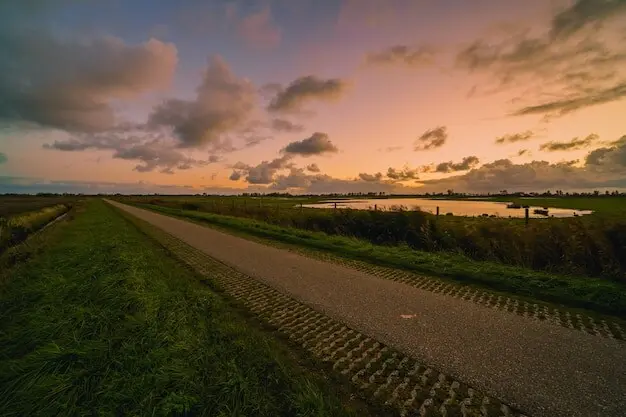
Away from the sea, rivers cradle the final light and fold it into reflective curves beneath churches and bridges. Blue hour creeps gently here, coaxing subtle contrasts along hedges and towpaths. Move slowly, embrace breaths between exposures, and let village lamps glow like welcoming embers across the landscape.

Cameras Steady, Colors True

Blue hour rewards deliberation: a stable tripod, gentle shutter releases, and careful color management. Seek sweet spots between shimmering gradients and crisp silhouettes. Mix longer exposures for water with shorter ones for detail, then blend judiciously. Preserve the scene’s contemplative cadence without chasing artificial saturation or brittle contrast.

Tripods, Footing, and Keeping Sharp in the Breeze

Anchor legs on firm ground, avoid cliff edges, and hang your bag for stability. Use a remote or two-second delay, mirror lockup or electronic shutter, and manual focus on mid-distance edges. In coastal wind, shield the setup with your body, then test micro-adjustments until horizons lock perfectly.

Exposure Strategy for Velvet Tones and Clean Stars

Meter for highlights you wish to keep, then expose to preserve subtle gradients without clipping sky color. Bracket gently, prioritizing consistency over volume. As astronomical blue nears, raise ISO modestly, shorten exposures to prevent star trails, and use noise reduction sparingly to protect delicate tonal transitions and texture.

Color, White Balance, and Preserving Subtle Gradients

Start around 4000–4800K to honor twilight blues, then fine-tune by eye, not presets. Shoot RAW for latitude, but commit to restraint when grading. Avoid crushing shadows that carry dusk’s narrative, and let warm village lights counterpoint cool skies, creating emotional balance without tipping into theatrical exaggeration or fatigue.

Paths, Access, and Night‑Safe Return

Great vistas mean nothing without safe journeys. Plan circular routes, note gates and stiles, and pack a red‑light headlamp to protect night vision. Respect livestock, give roosting birds space, and keep dogs leashed. Confirm last trains, battery levels, and weather shifts before committing to an after‑dark descent.

Stories from the Twilit Downs

Twilight remembers kindnesses: a shared flask on a windy ridge, a stranger pointing out Venus, a ranger’s gentle warning about cliff creep. These moments braid with photographs. Share your own encounters, subscribe for dusk route updates, and send images we can celebrate together in future community roundups.
Mirazavovelto
Privacy Overview

This website uses cookies so that we can provide you with the best user experience possible. Cookie information is stored in your browser and performs functions such as recognising you when you return to our website and helping our team to understand which sections of the website you find most interesting and useful.